The Process
Selecting the Beans
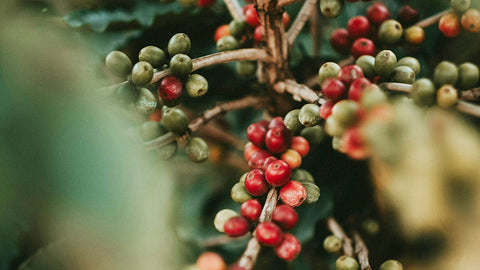
Selecting the coffee beans is the first essential step in the roasting process. The freshly harvested green beans are assessed for quality and freshness. Choosing high-quality beans is essential for an excellent coffee. Experienced roasters select beans based on factors such as where they were grown, the plant variety and the growing conditions. Careful selection ensures that only the best beans make it to the roaster.
Roasting
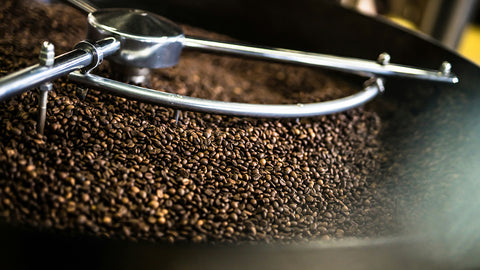
Roasting is the heart of the whole process. During this stage, the green beans are heated to high temperatures, usually between 180°C and 250°C, in a controlled environment. The process involves several phases:
- Development phase: The beans begin to darken and develop complex aromas. Roasting temperature and time are crucial, as they directly influence the coffee's aromatic profile. A light roast brings out fruity and floral notes, while a darker roast tends to develop bolder, caramelised flavours.
- First Crack: This is a key moment in roasting, when the beans give off a sound similar to popping. It signals that the beans are expanding and reaching a critical stage of development.
- Second Crack: If roasting continues, the beans reach a second crack, which marks the start of a darker roast with more intense and bitter flavours.
Cooling and Packaging
Once the desired degree of roast has been reached, the beans must be cooled quickly to stop the roasting process and preserve their aroma. Cooling methods include fans or cooling trays with stirring arms. After cooling, the beans are packed in airtight bags to keep them fresh and protect the coffee from oxidation and moisture.
The Art of Artisan Roasting
Differences Between Industrial and Artisan Roasting
Artisan roasting differs from industrial roasting in the level of control and care given to each batch of coffee. Artisan roasters closely monitor every stage of the roast, adjusting temperature and time to achieve unique aromatic profiles. Industrial roasting, by contrast, often relies on standardised, automated methods that can sacrifice quality for efficiency.
Why Temperature and Time Matter
In artisan roasting, every small adjustment to temperature and time can significantly affect the final flavour of the coffee. Artisan roasters use sophisticated tools and hands-on roasting techniques to make sure every bean reaches its ideal roast point, bringing out the unique characteristics of each coffee variety.
To sum up, roasting is an art that transforms green beans into an aromatic, flavourful coffee. The care and attention that go into roasting can make a big difference to the quality of your cup. Discovering artisan-roasted coffees will let you enjoy a wide range of unique flavours and aromas.
Photo by Natanja Grün on Unsplash